
Inflamed gums in dogs are usually the first visible sign of gingivitis (the earliest stage of dental disease).
Healthy dog gums are firm and pale pink; when they become red, puffy or swollen along the tooth line, it typically means plaque and bacteria have started irritating the gum tissue.
An important thing to keep top of mind is that Gingivitis is common, mild, and reversible with the right care. But, left untreated, it can progress to periodontal disease, which is not reversible.
This guide covers what causes canine gum inflammation, how to recognize the early signs, when it needs a vet visit and what actually helps prevent it long-term.
What Do Inflamed Gums Look Like in Dogs?
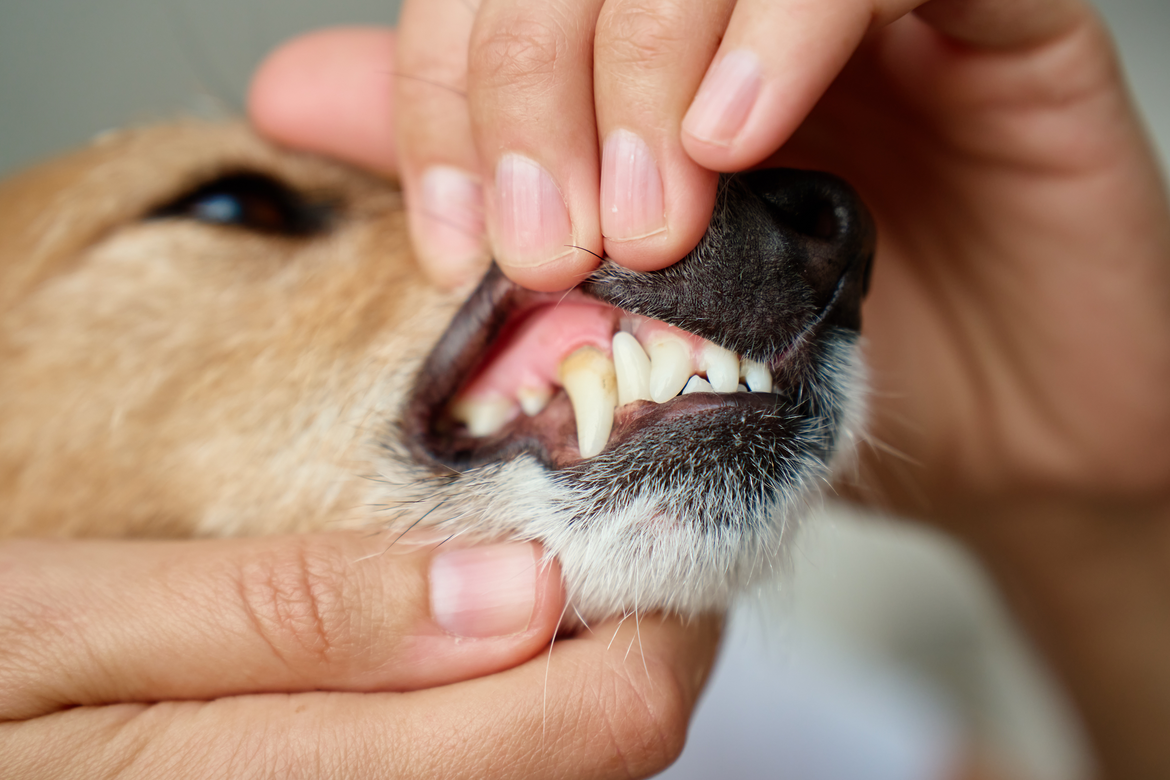
Canine swollen gums usually show up as a change in three things:
- Color: Gums shift from healthy pale pink to red or dark pink, often starting right at the gumline where tooth meets gum.
- Texture: Instead of firm and smooth, inflamed gum tissue can look shiny, puffy or slightly swollen.
- Shape: In more advanced cases, the gumline may look uneven or slightly pulled away from the teeth.

A useful visual cue dog people can check at home is if your dog has gums that are red around teeth specifically, rather than an even color across the whole mouth.
That's one of the clearest early markers of gum inflammation, because that's exactly where plaque accumulates first.
If a dog's gums also look unusually pale or white rather than red, that points to a different issue – reduced blood flow or anemia – not gingivitis.
What Causes Dog Gum Swelling?
Dog gingivitis develops in a fairly predictable sequence of events:
- Plaque builds up. A soft film of bacteria forms on the teeth within hours of eating.
- Plaque irritates the gumline. The dog's immune system responds to the bacteria, which causes local inflammation – this is the swelling and redness owners see.
- Plaque hardens into tartar. If not removed through chewing, brushing, or professional cleaning, plaque mineralizes into tartar within a few days, which is rougher and holds even more bacteria.
- Inflammation compounds. More tartar means more bacterial irritation and the gum swelling and redness worsen.
Other, less common contributors to gum swelling include:
- Broken teeth or trapped food/debris irritating one area of gum
- Viral or fungal infections in the mouth
- Certain medications
- Underlying immune conditions
Small and toy breeds tend to be more prone to gingivitis because their teeth are often more crowded, which traps plaque more easily.
Diet and chew habits matter too: Dogs on very soft food with no chewing activity typically build up plaque faster than dogs who chew regularly.

Signs of Gingivitis in Dogs
The symptoms of gingivitis in dogs are usually gradual, so it helps to know exactly what to check for during a quick at-home look:
- Redness along the gumline, especially where gum meets tooth
- Mild swelling or puffiness of the gum tissue
- A thin red line visible right at the base of the teeth
- Bad breath that's noticeably worse than usual
- Slight bleeding when chewing on hard toys or on the toothbrush during brushing
- Visible plaque (soft, pale film) or tartar (harder, yellow-brown build-up) on the teeth
- Mild discomfort when the mouth area is touched
Most dogs with early gingivitis show no pain and no change in eating habits, which is why it's easy to miss. Checking gums during a normal petting or grooming session is the most reliable way to catch it early.
Which Dogs Are Most at Risk?
Gingivitis can affect any dog, but a few factors consistently raise the risk:
- Breed and mouth shape. Small and toy breeds (Yorkies, Chihuahuas, Dachshunds, and similar) tend to have more crowded teeth relative to jaw size, which traps plaque more easily and speeds up gingivitis earlier than usual. Brachycephalic breeds with flatter faces face a similar crowding issue for the same structural reason.
- Age. Plaque and tartar accumulate over time, so senior dogs generally show more gum inflammation than younger dogs – though puppies losing baby teeth can also show temporary gum redness that resolves on its own.
- Diet and chew habits. Dogs fed exclusively soft or wet food, with little to no chewing activity, tend to build up plaque faster than dogs who regularly chew on appropriate dental chews or kibble.
- Inconsistent home care. The single biggest predictor of gingivitis severity is simply how often plaque gets physically removed – brushing frequency and chew access matter more than any single product choice.

None of these factors make gingivitis completely inevitable. They just mean dogs with one or more of them benefit from closer, more frequent gum checks.
Is Inflamed Gum Tissue in Dogs Serious?
Gingivitis itself is mild usually improves with proper dental care in most cases. It doesn't tend to cause permanent damage on its own.
However, gingivitis that's left untreated for weeks or months can progress into periodontitis, a more advanced form of gum disease. Periodontitis does cause permanent damage: It can tend to break down the ligaments and bone that hold teeth in place, and can lead to loose teeth, tooth loss and chronic pain.
It's usually a good idea to see a vet immediately, if you notice bleeding that doesn't stop quickly, visibly loose teeth, a swollen face or jaw, refusal to eat or drooling with a strong odor.
These signs usually suggest the condition has moved past simple gingivitis.
Gingivitis vs. Periodontitis: What's the Difference?
Gingivitis and periodontitis are often talked about as one thing, but they're two distinct stages of gum disease with an important line between them: Whether the damage can be reversed.
Gingivitis
Stage: Early, mild.
Gum Appearance: Red, swollen, may bleed slightly.
Bone/Ligament Damage: None.
If It's Reversible: It's likely with the proper care.
Typical Signs: Redness at gumline, mild swelling, plaque/tartar visible.
If Home Care Alone is Effective: Often, if caught early.
Periodontitis
Stage: Advanced.
Gum Appearance: Receding, may separate from teeth.
Bone/Ligament Damage: Present, often progressive.
If It's Reversible: No – damage is permanent.
Typical Signs: Loose teeth, gum recession, persistent bad breath, visible tooth roots, pain when chewing.
If Home Care Alone is Effective: No – requires veterinary treatment.
The distinction matters practically, not just medically: Gingivitis responds to brushing, chews and routine cleanings.
Periodontitis needs veterinary intervention – often including anesthetic dental cleanings, X-rays to assess bone loss below the gumline and sometimes extractions.
This is also why catching gum inflammation early matters more than the redness itself might suggest.
The visible symptoms of gingivitis and early periodontitis can look almost identical to an owner – a vet exam is the only reliable way to tell which stage a dog is actually in.
What the Vet Will Check During a Dental Exam

If gum inflammation doesn't clear up with home care or if it's advanced enough to warrant a vet visit, here's what that exam typically involves:
- Visual and physical exam of the gums and teeth. The vet checks color, swelling, gum recession and looks for loose or damaged teeth while the dog is awake.
- Periodontal probing. Using a small blunt instrument, the vet measures the depth of the pocket between the gum and each tooth. Deeper pockets indicate more advanced gum disease and possible bone loss.
- Dental X-rays. Because periodontal damage happens below the gumline, X-rays are the only way to see bone loss around the tooth roots – this step usually requires sedation or anesthesia, since dogs won't hold still for it.
- Plaque and tartar assessment. The vet grades how much build-up is present and whether it extends below the gumline, which determines whether a standard cleaning or a deeper scaling is needed.
- Grading the disease stage. Vets typically assign a stage from 1 (gingivitis only) to 4 (severe periodontitis with significant bone loss), which then guides the treatment plan – from a routine cleaning up to extractions for badly affected teeth.
How to Treat Swollen Gums in Dogs
Treatment depends on how advanced the inflammation is:
- Mild gingivitis (redness and slight puffiness only): Often improves within 1–2 weeks of consistent brushing and plaque control at home.
- Moderate gingivitis (tartar build-up, more noticeable swelling): Usually needs a professional dental cleaning under anesthesia to remove tartar below the gumline, followed by a home-care routine to prevent recurrence.
- Advanced cases (loose teeth, bleeding, pain): Requires a full veterinary dental exam, likely including dental X-rays and possible extractions.
A vet visit is the right first step any time there's uncertainty about severity – gingivitis and early periodontitis can look similar without a proper oral exam.
How to Prevent Gingivitis in Dogs
Prevention is almost entirely about controlling plaque before it hardens into tartar. The most effective approach combines a few habits rather than relying on one alone:
- Brush regularly. Daily brushing with a dog-safe toothpaste is the single most effective plaque-control method. Even 3–4 times a week makes a meaningful difference over doing nothing.
- Use dental chews or toys. Mechanical chewing helps scrape plaque off the tooth surface before it hardens.
- Schedule routine vet dental checks. Even with good home care, most dogs benefit from a professional cleaning periodically to remove tartar that's already formed below the gumline.
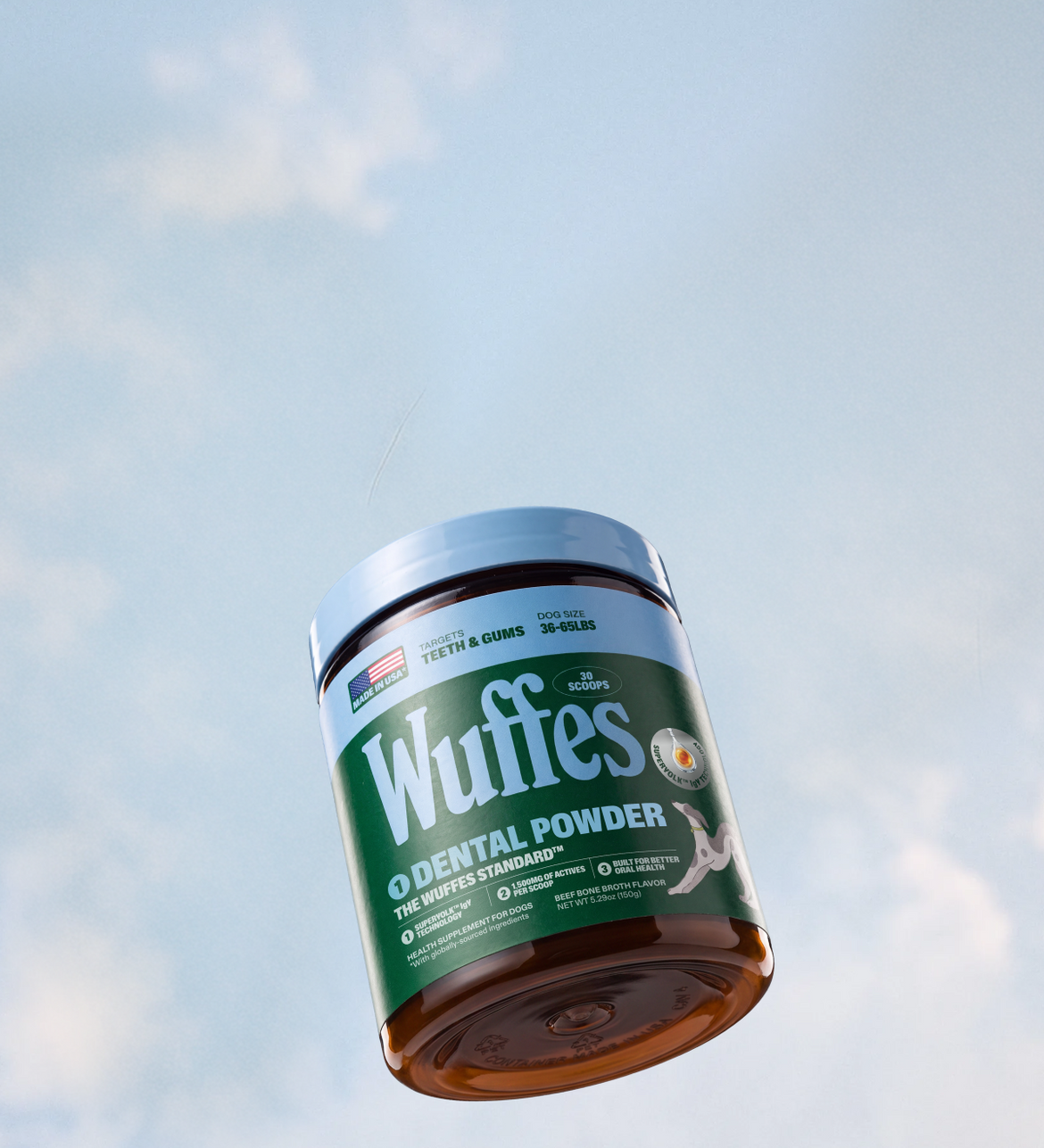
- Support oral health through diet. Some ingredients help reduce the bacterial load in the mouth that drives plaque formation.
- Watch high-risk breeds more closely. Small and toy breeds with crowded teeth benefit from more frequent checks, since plaque accumulates faster in tight spaces.
None of these steps need to be perfect to be effective – consistency matters more than intensity. A dog brushed most days will do better than a dog brushed perfectly for one week and then not again for a month.
How Long Does Gingivitis Take to Develop or Heal?
Plaque begins forming on a dog's teeth within 24 hours of eating and if it isn't disrupted by brushing or chewing, it can harden into tartar in as little as 3 to 5 days.
Visible gum inflammation typically follows within a couple of weeks of consistent plaque build-up – this is why gingivitis can seem to appear "suddenly" even though it's been building for some time.
On the recovery side, mild gingivitis usually starts improving within a few days of consistent brushing, with most redness and swelling resolved in 1 to 2 weeks.
Cases involving hardened tartar take longer to fully resolve at home, because tartar itself doesn't come off with brushing alone – that's the point at which a professional cleaning shortens the timeline significantly.
The takeaway for owners: The earlier plaque control starts after gums first look irritated, the faster and more completely the inflammation clears.
Common Myths About Dog Gum Health
Myth: Bad breath is normal for dogs and doesn't need attention.
Fact: Persistent bad breath is one of the more reliable early indicators of gum disease, not a normal trait of being a dog.
It's caused by the same bacteria driving plaque build-up and gum inflammation. A sudden or worsening odor is worth checking against the gumline, not dismissing as typical.
Myth: If a dog is still eating fine, its gums must be healthy.
Fact: Dogs are naturally good at hiding oral discomfort and mild to moderate gingivitis rarely affects appetite at all.
Eating normally is not a reliable sign that a dog's gums or teeth are healthy – visual inspection of the gumline is far more accurate than watching eating habits.
Myth: Hard kibble alone keeps a dog's teeth clean.
Fact: Kibble provides some mechanical abrasion, but most kibble shatters on the first bite rather than scraping the full tooth surface the way a dedicated dental chew or brushing does. Dogs fed only dry kibble with no other dental care routine still commonly develop plaque and gingivitis.
Myth: Only older dogs get gum disease.
Fact: While risk increases with age, gingivitis can start in dogs as young as one to two years old, particularly in small and toy breeds with crowded teeth. Waiting until a dog is a senior to start dental care means years of unaddressed plaque build-up.
Myth: Bleeding gums always mean something serious.
Fact: Occasional light bleeding during brushing or chewing on a hard toy is common with mild gingivitis and usually resolves as plaque control improves.
Persistent, heavy or spontaneous bleeding is different and does warrant a vet check, but a small amount during normal activity isn't automatically an emergency.
FAQs
What causes a dog's gums to become inflamed?
Dog gum inflammation is almost always caused by plaque, a soft bacterial film that builds up on teeth within hours of eating. Left alone, plaque hardens into tartar within days and the bacteria in it trigger an immune response in the gum tissue – this is what causes the redness and swelling owners notice.
Less commonly, gum swelling comes from a broken tooth, trapped debris, an oral infection or certain medications. Small and toy breeds are more prone to it because crowded teeth trap plaque more easily. If swelling is localized to one spot, it's more likely a trapped object than general gingivitis.
What are the early signs of gingivitis in dogs?
The earliest signs of gingivitis in dogs are subtle: A thin red line right where the gum meets the tooth, mild puffiness of the gum tissue and breath noticeably worse than usual.
As it progresses, owners may notice visible plaque or tartar on the teeth, slight bleeding when a dog chews on hard toys or during brushing and mild discomfort around the mouth.
Most dogs show no pain or appetite change at this stage, which is why gingivitis often goes unnoticed until a closer look during grooming. Checking the gumline during a normal petting session is the most reliable way to catch it early.
Are swollen gums in dogs an emergency?
Swollen gums alone usually aren't an emergency – mild gingivitis is common and treatable with routine dental care. It becomes urgent if the swelling is paired with other symptoms: A visibly swollen face or jaw, teeth that feel loose, bleeding that doesn't stop within a few minutes, drooling with a strong odor or a sudden refusal to eat.
These signs suggest the problem has moved beyond simple gingivitis into a more advanced infection or periodontal disease. Gum swelling that appears suddenly and severely, rather than developing gradually, is also worth same-day veterinary attention rather than waiting. It's always best to check with your vet.
How do I treat my dog's inflamed gums at home?
For mild gum inflammation, consistent daily brushing with a dog-safe toothpaste is the most effective home treatment, since it physically removes the plaque causing the irritation.
Dental chews and appropriate chew toys support this by scraping the tooth surface during normal chewing.
Most mild cases improve within one to two weeks of consistent care. Home care alone won't remove tartar already hardened on the teeth or below the gumline, though – that needs a professional cleaning.
If swelling doesn't improve after two weeks, or comes with bleeding or visible tartar buildup, it's time for a vet dental exam.
How can I prevent gingivitis in my dog?
Preventing gingivitis in dogs comes down to controlling plaque before it hardens into tartar. Daily brushing with dog-safe toothpaste is the most effective single habit, though brushing three to four times a week still makes a meaningful difference over none at all.
Dental chews and toys add mechanical plaque removal between brushings.
Routine professional dental checks catch tartar already formed below the gumline, which home care can't remove. Diet also plays a supporting role alongside brushing and chewing. Small and toy breeds benefit from closer monitoring, since crowded teeth trap plaque faster.
Consistency matters more than intensity – regular, imperfect care outperforms sporadic, perfect care.
Why are my dog's gums red around the teeth specifically?
Redness concentrated right around the teeth, rather than spread evenly across the gums, is one of the clearest early signs of gingivitis, because that's precisely where plaque accumulates first.
Plaque forms along the gumline within hours of eating, and the bacteria in it irritate the adjacent gum tissue, causing localized redness and mild swelling at the tooth-gum junction before it spreads.
This pattern differs from gums that are uniformly pale, which points to a circulatory issue rather than gum disease. If redness is confined to one or two teeth, check for a trapped object or cracked tooth rather than assuming general gingivitis.
To Sum Up
Inflamed gums in dogs are almost always an early sign of gingivitis, caused by plaque build-up along the gumline.
The good news is that gingivitis is mild and reversible when it's caught early – regular brushing, dental chews and routine vet checks are enough to manage it in most dogs.
Left untreated, it can progress to periodontitis, which causes permanent damage to teeth and gum tissue.
Any signs of loose teeth, persistent bleeding or facial swelling warrant a prompt vet visit rather than home management.